


Occipital neuralgia is a condition that affects the occipital nerves, which travel from the upper neck and base of the skull toward the scalp. When these nerves become irritated, symptoms may include sharp, shooting, burning, or electric-like pain that radiates from the back of the head.
For many individuals, symptoms can feel unpredictable. Some days the pain is mild, while on other days even simple activities aggravate symptoms. Understanding what contributes to flare-ups can help people recognize patterns and identify habits that may place additional stress on the nervous system.
While triggers vary from person to person, several common factors frequently appear among those living with occipital neuralgia.
What Is Occipital Neuralgia?
Occipital neuralgia occurs when irritation affects one or more occipital nerves.
These nerves help provide sensation to areas of the:
- Back of the head
- Base of the skull
- Upper scalp
- Area behind the ears
When irritated, symptoms may include:
- Sharp stabbing pain
- Burning sensations
- Electric shock-like discomfort
- Scalp tenderness
- Pain behind the eyes
- Sensitivity to light
- Neck pain
Because symptoms often overlap with headache disorders, occipital neuralgia is sometimes mistaken for migraines or tension headaches.
How Our Care Plan Works
1. I Feel Heard & Not Crazy
Many patients tell us this is the first time they’ve felt truly listened to. During your consultation and exam, we slow things down, ask the right questions, and create space for your full story—without rushing, dismissing, or minimizing your experience.
2. You Did More Than The Last 10 Doctors Combined
It’s because we slow down and look deeper. Every exam and X-ray is intentional, detailed, and designed to uncover the root cause—not just manage symptoms.
3. Wow, It Is Already Working
We use X-rays before and after treatment to measure real change. By comparing them, patients can see how their spine responds, helping to build confidence in the adjustments and in the body’s natural ability to heal.
4. I Finally Feel Normal Again
After struggling with chronic pain, headaches, or nerve issues, many patients tell us, “I finally feel normal again.” Our precise adjustments and thorough care help restore balance to the spine and nervous system, allowing the body to function the way it was meant to.
How We Treat Occipital Neuralgia in Rochester Hills, MI
Comprehensive Exam and Consultation
Every new patient in our office begins their healing journey with a thorough consultation and examination. We want to hear your story in your own words about this problem. How long have you been dealing with the issue? How often does it happen? What impact has this had on your life? Truly understanding your condition and how it has affected your life helps us identify your goals and provide you with our best recommendations for care.
After the consultation, the examination will begin. Orthopedic, neurologic, and functional movement testing will be performed to understand how your spine and nervous system are currently functioning. We will also check your spine for subluxation (a vertebra not moving properly or being out of alignment), which may be the root cause of your problem. We will also assess your posture, as this can be an underlying contributing factor to why problems like this tend to persist for long periods. All of these findings are communicated to you at your follow-up visit so that you may understand your condition and what needs to be done to address it.
Specific 3-D Digital X-Rays in Rochester Hills, MI
This is the most important step in our office to determine how to address and adjust your neck to relieve your Occipital Neuralgia. We take 3 distinct views to form a 3-D image of your neck, and we measure down to the thickness of your fingernail to find the problem. Looking this close allows us to adjust you without popping, twisting, or cracking. Most of your patients say they can barely feel the adjustment happen, but can start to feel changes instantly!
Specific Chiropractic Care in Rochester Hills, MI
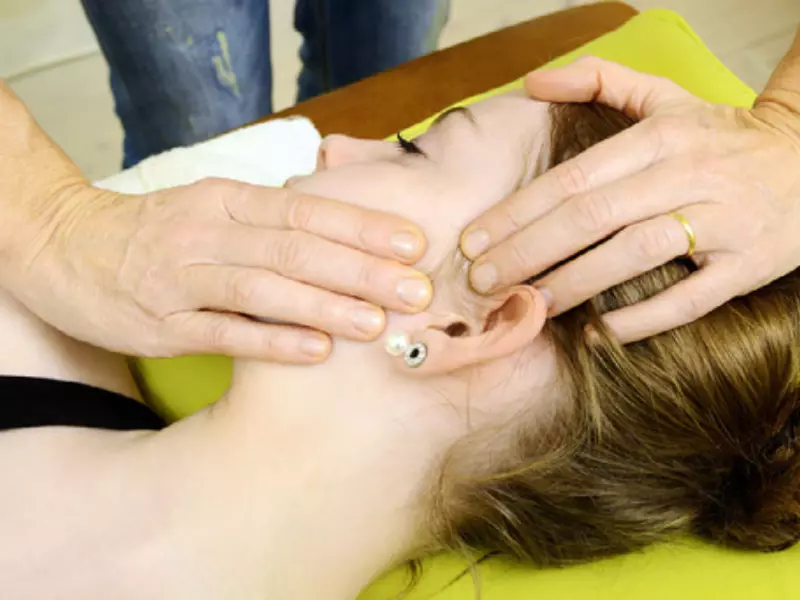
Upper Cervical Chiropractic care is at the forefront of our treatment approach to Occipital Neuralgia. We pay special attention to the 2 vertebrae at the top of the spine that are closest to the skull. The nerves at these levels leave the spine and travel up towards and around the head. When these vertebrae are subluxated (out of place), they can irritate these nerves and send pain signals along their pathways into the head.
Upper Cervical Chiropractic care restores proper spinal alignment, taking pressure off the nerves and allowing them to heal. With chronic problems, chiropractic care can take time and multiple visits to address them correctly. Be patient with your body and give it the time it needs to heal. In many instances, this problem didn’t develop overnight, so we shouldn’t expect it to be corrected overnight, either. That being said, many Occipital Neuralgia sufferers begin to see positive results almost immediately.
Frequency Specific Microcurrent (FSM)
FSM is an exciting new treatment for nerve pain, muscle pain, and many other conditions using specific frequencies and micro-amperage current. FSM also uses the resonance effects of frequencies on tissues and conditions to create beneficial changes to symptoms and health.
Microcurrent is current in millionths of an ampere (amp). Micro-amperage current is the same kind of current your body produces on its own within each cell. The current is very small. There is not enough current to stimulate sensory nerves, so the current flow cannot be felt. FSM is a very effective tool for calming nerves and helping them regulate correctly, which can help calm the occipital nerve and fix the problem.
How Upper Cervical Chiropractic Care Supports Occipital Neuralgia Symptoms
Upper cervical chiropractic care focuses on the atlas and axis vertebrae at the top of the spine.
Rather than treating occipital neuralgia directly, upper cervical care supports the structural and neurological systems involved in posture, muscle balance, and nervous system communication.
Evaluating Upper Cervical Alignment
Upper cervical chiropractors use specialized imaging to assess the alignment of the skull with the spine.
Subtle imbalances may contribute to mechanical stress affecting surrounding tissues.
Gentle Corrections To Reduce Mechanical Stress
Upper cervical adjustments are precise and individualized.
The goal is to reduce strain within the upper cervical region and support improved structural balance.
Supporting Better Muscle Function
Reducing upper cervical stress may help support healthier muscle activity throughout the neck and shoulders.
Supporting Nervous System Regulation
Improved neurological communication supports more efficient sensory processing.
Supporting Long-Term Postural Health
Upper cervical care often works best alongside posture awareness, movement, and healthy lifestyle habits.
Practical Strategies That May Help
Daily habits help reduce stress affecting the occipital nerves.
- Maintain good posture throughout the day
- Take regular breaks from screens
- Use supportive sleep positioning
- Address jaw clenching habits
- Manage stress proactively
- Stay physically active
- Avoid prolonged static positions
These habits help reduce mechanical and neurological strain.




Common Occipital Neuralgia Symptoms and Triggers in Rochester Hills, MI
Occipital neuralgia symptoms often fluctuate based on mechanical stress, muscular tension, posture, and nervous system sensitivity.
While triggers may not cause the condition itself, they can contribute to irritation and make symptoms more noticeable.
Recognizing these factors helps individuals better understand why flare-ups occur.
Forward Head Posture
Forward head posture places additional stress on the upper cervical spine and surrounding muscles.
As the head shifts forward, the muscles at the base of the skull must work harder to support its weight.
Over time, this increased strain may contribute to tension affecting structures near the occipital nerves.
Common causes include:
- Computer use
- Phone use
- Desk work
- Poor ergonomic setups
Prolonged Screen Time
Many people spend hours each day looking at digital devices.
Extended screen use often combines:
- Forward head posture
- Neck muscle fatigue
- Visual strain
- Reduced movement
This combination may increase tension in the upper cervical region and contribute to symptom flare-ups.
Stress and Muscle Tension
Stress commonly increases tension throughout the neck and shoulders.
When muscles remain contracted for prolonged periods, pressure and irritation affecting nearby nerves may increase.
Many individuals notice worsening symptoms during:
- Work deadlines
- Emotional stress
- Busy schedules
- Periods of poor sleep
Poor Sleep Position
Sleeping with the neck in an awkward position may increase stress on the muscles and joints of the upper cervical spine.
Some individuals notice symptoms are worse after:
- Sleeping on multiple pillows
- Sleeping with excessive neck rotation
- Using unsupportive pillows
Poor sleeping posture may contribute to morning headaches and neck discomfort.
Jaw Clenching and Teeth Grinding
The muscles of the jaw and neck work closely together.
Many people with occipital neuralgia also experience:
- TMJ symptoms
- Jaw tension
- Facial tightness
- Teeth grinding
Clenching may increase tension patterns that extend into the upper neck and the base of the skull.
Repetitive Neck Movements
Repeated neck motions may aggravate sensitive tissues surrounding the occipital nerves.
Activities involving prolonged neck extension or rotation may contribute to symptoms in some individuals.
Previous Head or Neck Injuries
Past injuries may create lasting changes involving:
- Muscle function
- Posture
- Joint mobility
- Nervous system sensitivity
Whiplash injuries are commonly associated with ongoing upper cervical tension and occipital nerve irritation.
Nervous System Overload
The nervous system plays an important role in pain perception.
When the nervous system becomes overstimulated due to:
- Stress
- Fatigue
- Poor sleep
- Sensory overload
Pain signals may become more noticeable.
Many people find symptoms worsen during periods of overall nervous system strain.
The Upper Cervical Spine and Occipital Nerves
The occipital nerves travel through tissues located near the upper cervical spine.
The muscles, joints, and connective tissues in this region play an important role in supporting the head and maintaining posture.
When excessive tension develops near the base of the skull, nearby nerves may become more sensitive.
This is one reason many individuals with occipital neuralgia also report:
- Neck stiffness
- Head pressure
- Shoulder tension
- Reduced neck mobility
- Postural fatigue
The Brainstem and Pain Processing
The brainstem sits at the base of the skull and acts as a communication center
between the brain and body.
It helps coordinate:
- Sensory processing
- Pain regulation
- Postural control
- Muscle coordination
- Autonomic nervous system activity
Because the upper cervical spine surrounds this region, mechanical strain may influence how efficiently these systems function.
Check Out Our Location Near You
441 S Livernois Rd #205, Rochester Hills, MI 48307
Frequently Asked Questions
What triggers occipital neuralgia flare-ups?
Common triggers include poor posture, neck tension, stress, screen use, sleep position, and previous neck injuries.
Can stress make occipital neuralgia worse?
Stress may increase muscle tension and nervous system sensitivity, making symptoms more noticeable.
Can occipital neuralgia feel like a migraine?
Yes. Symptoms often overlap and may include head pain, light sensitivity, and discomfort behind the eyes.
Can posture affect occipital neuralgia?
Forward head posture may increase strain on muscles and tissues surrounding the occipital nerves.
Can upper cervical chiropractic care help with occipital neuralgia?
Upper cervical care focuses on supporting posture, nervous system function, and upper cervical balance. Some individuals explore this approach as part of a broader wellness strategy.
Conclusion: Understanding the Factors Behind Occipital Neuralgia Flare Ups
Occipital neuralgia symptoms often reflect a combination of nerve sensitivity, muscular tension, posture, and nervous system function. While triggers vary from person to person, identifying common patterns may help individuals better understand what contributes to flare-ups and what supports relief. By supporting healthy posture, reducing stress, and improving upper cervical balance, many people can experience greater comfort and a better quality of life. For those not located in the Metro-Detroit area, go to UCC Near Me.com to find an upper cervical chiropractor near you.
