


Trigeminal neuralgia is often described as one of the most intense forms of facial pain. Sudden electric-shock sensations, stabbing discomfort, or burning pain can appear without warning and may be triggered by seemingly harmless activities. For many people, these flare-ups feel unpredictable and disruptive to daily life.
While trigeminal neuralgia is a neurological condition, symptoms are often influenced by everyday factors that increase nerve sensitivity. Understanding what commonly triggers facial nerve irritation can help individuals take proactive steps to reduce flare-ups and protect long-term nerve health.
Understanding Trigeminal Neuralgia and Facial Nerve Sensitivity
The trigeminal nerve is the primary sensory nerve of the face. It branches into three divisions that supply sensation to the forehead, cheeks, jaw, teeth, and gums. When this nerve becomes irritated or hypersensitive, even mild stimulation can produce severe pain.
Because the trigeminal nerve connects directly to the brainstem, anything that increases neurological stress or alters sensory processing may contribute to symptom intensity. This is why posture strain, stress, sleep disruption, and structural issues in the head and neck are often involved.
How Our Care Plan Works
1. I Feel Heard & Not Crazy
Many patients tell us this is the first time they’ve felt truly listened to. During your consultation and exam, we slow things down, ask the right questions, and create space for your full story—without rushing, dismissing, or minimizing your experience.
2. You Did More Than The Last 10 Doctors Combined
It’s because we slow down and look deeper. Every exam and X-ray is intentional, detailed, and designed to uncover the root cause—not just manage symptoms.
3. Wow, It Is Already Working
We use X-rays before and after treatment to measure real change. By comparing them, patients can see how their spine responds, helping to build confidence in the adjustments and in the body’s natural ability to heal.
4. I Finally Feel Normal Again
After struggling with chronic pain, headaches, or nerve issues, many patients tell us, “I finally feel normal again.” Our precise adjustments and thorough care help restore balance to the spine and nervous system, allowing the body to function the way it was meant to.
How We Treat Trigeminal Neuralgia in Rochester Hills, MI
Comprehensive Exam and Consultation
Every new patient in our office begins their healing journey with a thorough consultation and examination. We want to hear your story about this problem, in your own words. How long have you been dealing with the issue? How often does it happen? What impact has this had on your life? Truly understanding your condition and how it has affected your life helps us identify your goals and provide you with our best recommendations for care.
After the consultation, the examination will begin. Orthopedic, neurologic, and functional movement testing will be performed to understand how your spine and nervous system are currently functioning. We will also check your spine for subluxation (a vertebra not moving properly or being out of alignment), which may be the root cause of your problem. We will also assess your posture, as this can be an underlying contributing factor to why problems like this tend to persist for long periods. All of these findings are communicated to you at your follow-up visit so that you may understand your condition and what needs to be done to address it.
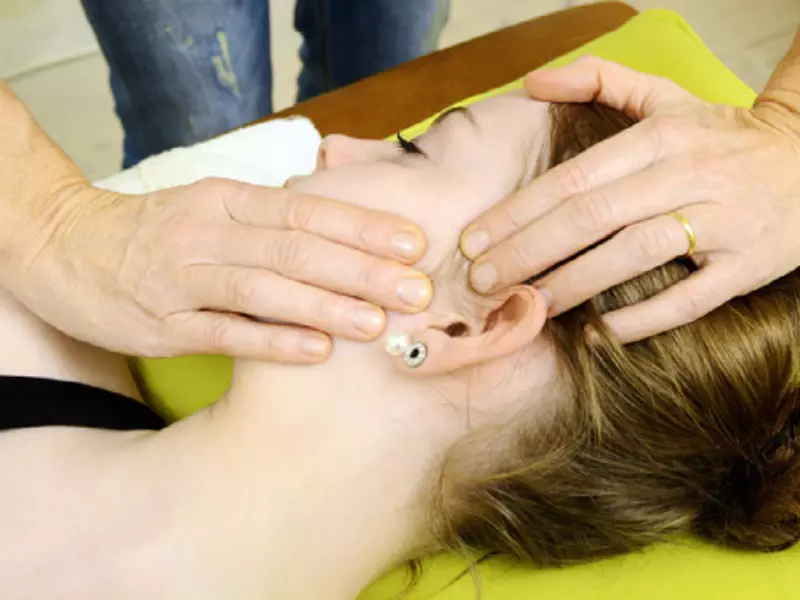
Specific 3-D Digital X-Rays in Rochester Hills, MI
This is the most important step in our office to determine how to address and adjust your neck to relieve your trigeminal neuralgia. We take three specific views to form a 3-D image of your neck, and we measure down to the thickness of a fingernail to pinpoint the problem. By looking at this closely, we’re able to adjust you with no popping, twisting, or cracking. Most of our patients say they can barely feel the adjustment happen, but can start to feel changes instantly!
Specific Chiropractic Care in Rochester Hills, MI
Upper cervical chiropractic care is at the forefront of our treatment approach to trigeminal neuralgia. We pay special attention to the two vertebrae at the top of the spine closest to the skull. The nerves at these levels leave the spine and travel up toward and around the head. When these vertebrae are subluxated (out of place), they can irritate these nerves and send pain signals along their pathways into the head.
Upper cervical chiropractic care restores proper spinal alignment, reducing nerve pressure and allowing them to heal. With chronic problems, chiropractic care can take time and multiple visits to address your problem correctly. Be patient with your body and give it the time it needs to heal. In many instances, this problem didn’t develop overnight, so we shouldn’t expect it to be corrected overnight, either. That being said, many trigeminal neuralgia sufferers begin to see positive results almost immediately.
Frequency Specific Microcurrent (FSM)
FSM is an exciting new treatment for nerve pain, muscle pain, and many other conditions, using specific frequencies and micro-amperage current. FSM also uses the resonance effects of frequencies on tissues and conditions to create beneficial changes to symptoms and health.
Microcurrent is current measured in millionths of an ampere (amp). Micro-amperage current is the same kind of current your body produces on its own within each cell. The current is very small — there is not enough current to stimulate sensory nerves, so the current flow cannot be felt. FSM is a very effective tool for calming nerves and helping them regulate correctly, thereby calming the trigeminal nerve and addressing the underlying problem.
Rather than focusing solely on masking symptoms, upper cervical chiropractic care addresses a foundational neurological factor that may influence trigeminal neuralgia. When combined with appropriate medical care and supportive lifestyle strategies, this approach can play a valuable role in supporting long-term facial nerve calm.
Reducing Triggers by Supporting the Nervous System at Its Source
Trigeminal neuralgia flare-ups are often influenced by everyday factors that increase nerve sensitivity, including posture strain, stress, sleep disruption, and previous head or neck injuries. Understanding these triggers enables individuals to take proactive steps to reduce irritation and protect the facial nerve.
Because the trigeminal nerve connects directly to the brainstem, supporting alignment of the upper cervical spine may help reduce neurological stress and improve processing of facial nerve signals. For those not located in the Metro Detroit area, go to UCCNearMe.com to find an upper cervical chiropractor near you.
How Upper Cervical Chiropractic Care Can Help Reduce Trigeminal Nerve Sensitivity
The trigeminal nerve originates at the brainstem, which serves as the primary processing center for sensory input from the face. The brainstem passes directly through the upper cervical spine, surrounded and protected by the atlas and axis vertebrae. Because of this close anatomical relationship, alignment in the upper cervical region plays an important role in how trigeminal nerve signals are filtered and interpreted.
When misalignment occurs at the atlas or axis, even a subtle misalignment can create mechanical strain and neurological interference around the brainstem. This interference may disrupt the processing of sensory information from the trigeminal nerve, increasing nerve reactivity and lowering the threshold for everyday stimuli to trigger pain.
Over time, this heightened sensitivity can make normal activities such as chewing, brushing teeth, talking, washing the face, or exposure to cold air more likely to provoke flare-ups. Stress, poor posture, and previous head or neck injuries can further compound this irritation by placing additional strain on the upper cervical region.




Common Trigeminal Neuralgia Triggers in Rochester Hills, MI
9 Everyday Triggers That Can Worsen Trigeminal Neuralgia
1. Light Touch to the Face
Activities such as washing the face, applying makeup, shaving, or brushing teeth can provoke pain when the nerve is highly sensitive.
2. Chewing and Jaw Movement Eating
Chewing, talking, yawning, or clenching the jaw can activate trigeminal nerve branches, especially when jaw and neck tension are present.
3. Cold Air and Temperature Changes
Exposure to cold weather, wind, or air conditioning can intensify nerve firing and trigger sharp facial pain.
4. Stress and Emotional Tension
Stress heightens nervous system reactivity. When the body remains in a prolonged fight-or-flight state, nerve sensitivity often increases.
5. Poor Head and Neck Posture
Forward head posture and prolonged screen use increase strain on the upper cervical spine, which may influence trigeminal nerve signaling.
6. Neck Muscle Tightness
Chronic tension in the neck and shoulders can alter biomechanics around the base of the skull, increasing irritation to nearby nerve pathways.
7. Sleep Disruption
Inadequate or poor-quality sleep reduces the nervous system’s ability to regulate pain and recover from daily stress.
8. Inflammation or Illness
Sinus congestion, dental inflammation, or systemic illness can increase pressure and irritation around facial nerve pathways.
9. Previous Head or Neck Trauma
Past injuries such as whiplash, falls, or dental trauma may create lasting structural strain that contributes to nerve hypersensitivity.
Supportive Strategies to Reduce Trigger Exposure
- Protecting the face from cold air
- Maintaining consistent sleep routines
- Reducing jaw clenching and tension
- Improving posture during screen use
- Managing stress through gentle relaxation techniques
- Staying hydrated to support nerve health
These strategies aim to lower cumulative nervous system stress and reduce irritation affecting the trigeminal nerve.
Check Out Our Location Near You
441 S Livernois Rd #205, Rochester Hills, MI 48307
Frequently Asked Questions
What triggers trigeminal neuralgia flare-ups?
Common triggers include poor posture, neck tension, stress, screen use, sleep position, and previous neck injuries.
Can stress make trigeminal neuralgia worse?
Stress may increase muscle tension and nervous system sensitivity, making symptoms more noticeable.
Can trigeminal neuralgia feel like a migraine?
Yes. Symptoms often overlap and may include head pain, light sensitivity, and discomfort behind the eyes.
Can posture affect trigeminal neuralgia?
Forward head posture may increase strain on muscles and tissues surrounding the trigeminal nerves.
Can upper cervical chiropractic care help with trigeminal neuralgia?
Upper cervical care focuses on supporting posture, nervous system function, and upper cervical balance. Some individuals explore this approach as part of a broader wellness strategy.
